By clicking “Accept All Cookies”, you agree to the storing of cookies on your device to enhance site navigation, analyze site usage, and assist in our marketing efforts. View our Privacy Policy for more information.
Working Out But Not Losing Weight? Here Are 5 Reasons Why
Frustrated because you're working out but not losing weight? Discover 5 common, hidden reasons your scale isn't moving and how to fix your strategy today.
By
June 29, 2026

Related

Why Your Fitness Progress Has Stalled (And How to Fix It)
You wake up early, hit the gym consistently, put in the sweat, and closely watch what you eat. Yet, week after week, you step onto the scale only to find the exact same number staring back at you. It is one of the absolute most discouraging experiences in fitness.
When a weight loss plateau hits, your first instinct might be to double down, adding more intense cardio sessions or severely cutting back on your meals. But for most busy adults, forcing your body into a state of exhaustion rarely solves the underlying issue.
If your hard work isn't reflecting on the scale, it is usually because of subtle, hidden missteps in your routine.
Let’s look at the actual biological reasons your progress has stalled and how you can break through the plateau for good.
You Are Gaining Muscle While Losing Fat
If your clothes are fitting better, your waist is shrinking, and you look leaner in the mirror, but the scale hasn’t changed. You aren't actually stuck.
You are experiencing body recomposition.
When you start a high-quality workout routine (especially one that includes strength training), you build lean muscle tissue at the same time you drop body fat.
- Muscle is dense: A pound of muscle takes up significantly less physical space than a pound of fat.
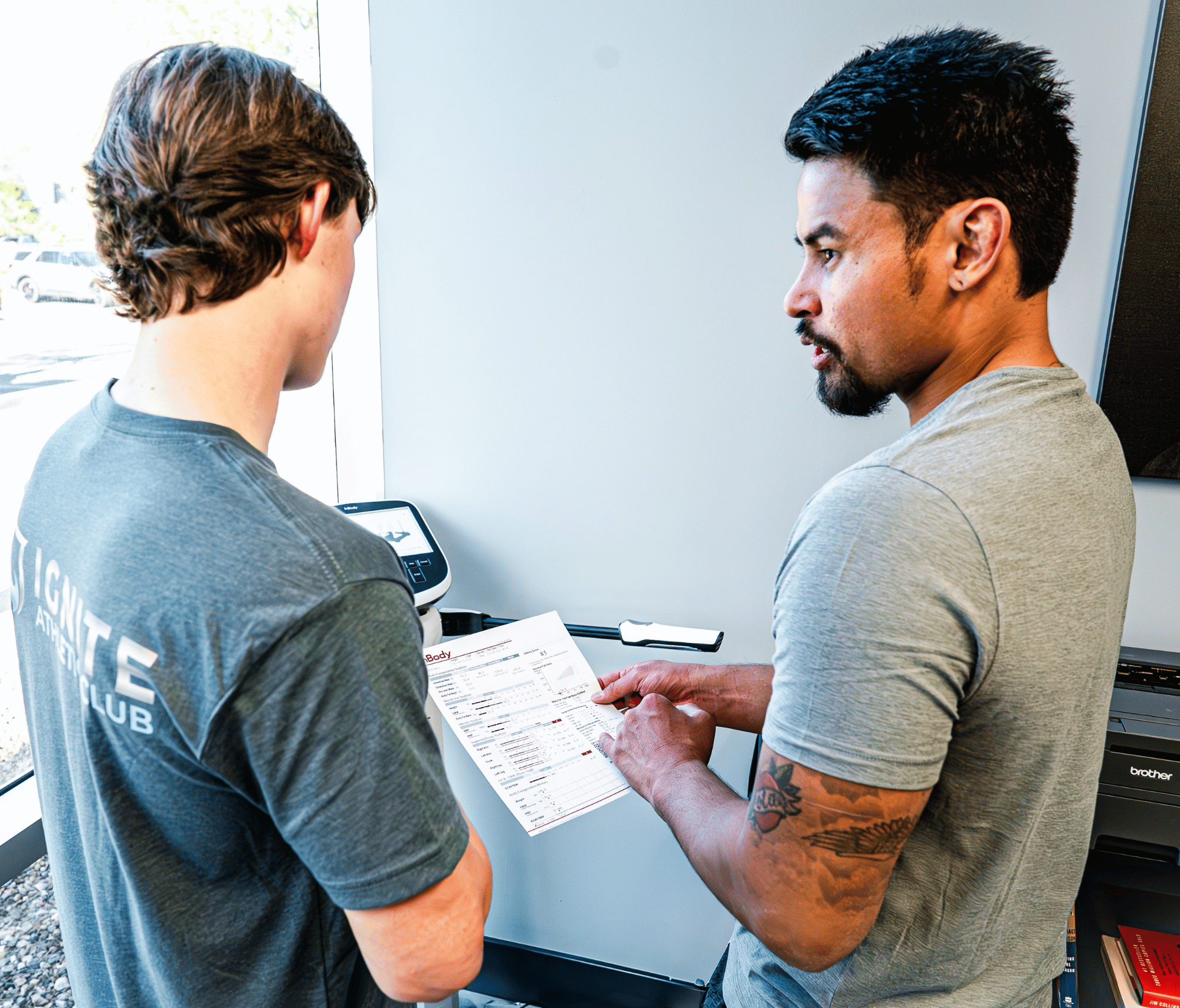
- Ditch the scale daily: The scale cannot differentiate between fluid shifts, muscle tissue, and body fat.
- Track better metrics: Rely on how your jeans fit, your energy levels, and progress photos rather than letting a single number determine your success.

Underestimating Total Caloric Intake
Exercise is incredible for cardiovascular health, mental clarity, and metabolic function, but it burns fewer calories than most people think. It is incredibly easy to accidentally erase your hard work in the gym with a few unmeasured lifestyle habits.
- The fitness tracker trap: Smartwatches notoriously overestimate how many calories you burn during a workout, sometimes by up to 30% to 40%.
- The weekend buffer: Being strict with your nutrition from Monday to Thursday, only to relax completely on Friday and Saturday, can easily wipe out your weekly caloric deficit.
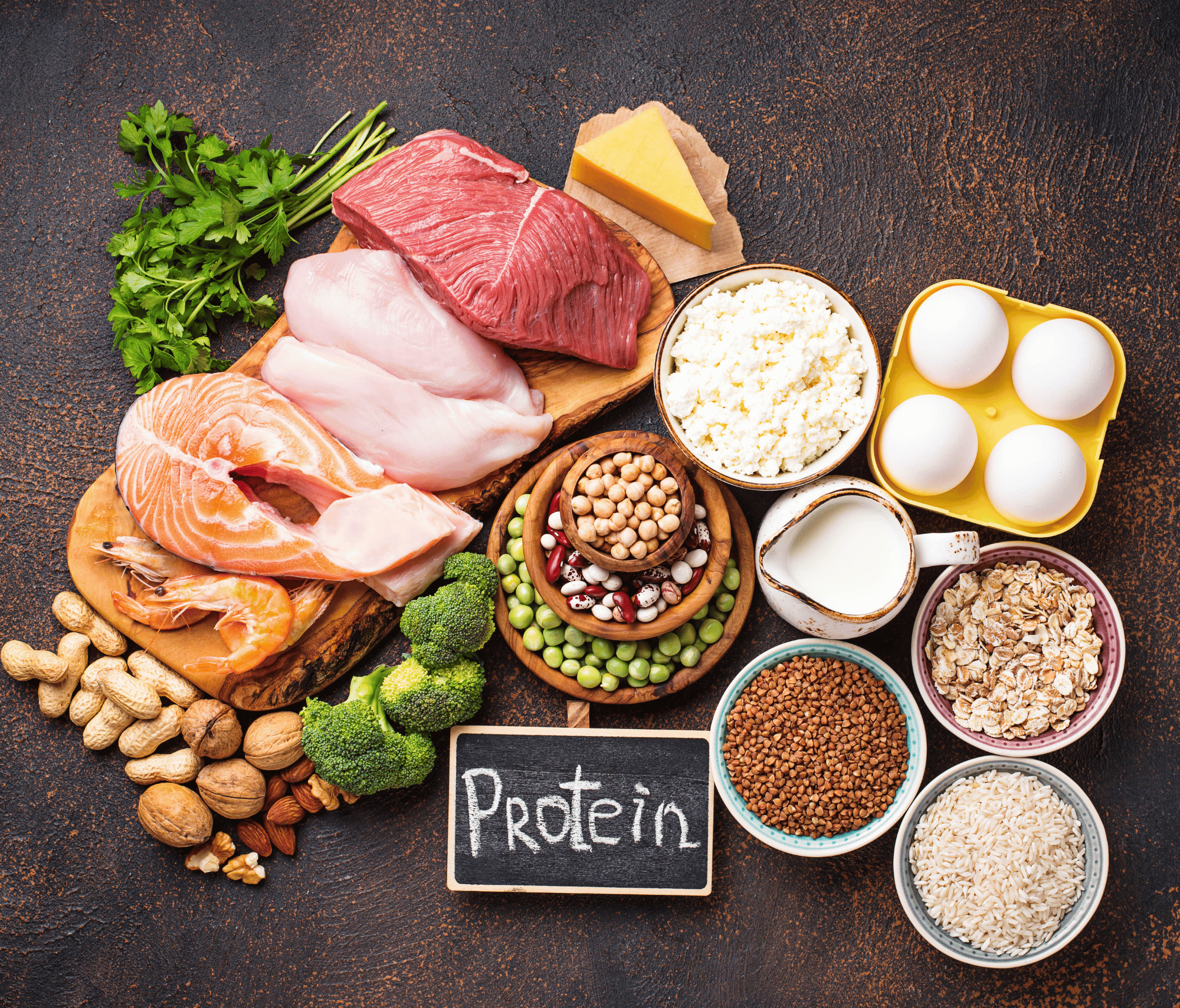
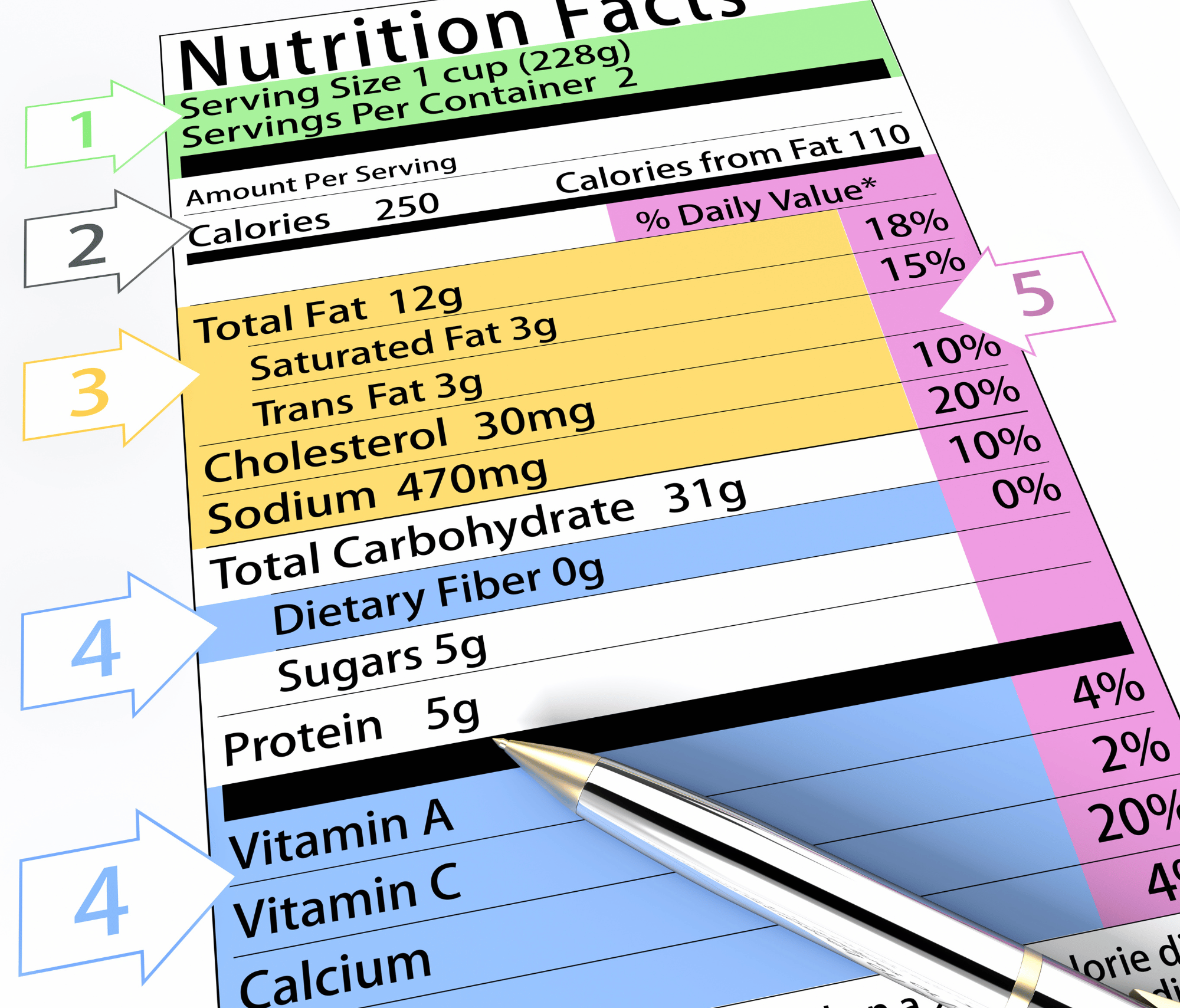
- Hidden calories: Cooking oils, salad dressings, liquid calories, and casual grazing throughout the day add up quickly without ever leaving you feeling full.
The Compensatory Eating Effect
Have you ever finished an intense workout and felt an overwhelming, insatiable hunger a few hours later? This is a biological response known as compensatory eating.
Subconsciously, your brain tries to protect its energy stores by signaling you to eat back the calories you just burned. Furthermore, many adults fall into the psychological trap of rewarding themselves: "I ran for 30 minutes, so I earned this slice of pizza."
To fix this, shift your mindset. View food as fuel to power your recovery and performance, not as a reward for surviving a workout.
Chronic Stress and High Cortisol Levels
Weight loss isn't just about math; it’s about biology. If you are a busy professional managing a high-stress job, family responsibilities, and poor sleep, your body is likely operating in a constant state of elevated cortisol (the primary stress hormone).
When cortisol remains high for extended periods, it tells your body to hold onto fat stores, particularly around the midsection. It also increases cravings for high-calorie, sugary foods and disrupts your sleep patterns, making recovery nearly impossible.
If you are sleeping less than seven hours a night and running on caffeine, fixing your sleep schedule will do more for your weight loss than adding another grueling cardio session.
Over-Emphasizing Cardio and Ignoring Strength
Many adults still believe the myth that endless hours of steady-state cardio is the fastest path to weight loss. While cardio is great for your heart, relying on it exclusively can work against your long-term goals.
Too much cardio combined with a low-calorie diet can cause your body to burn away lean muscle mass for fuel. Less muscle mass means a slower resting metabolic rate (the number of calories your body burns just staying alive).
By shifting your focus toward strength training, you preserve and build muscle. This turns your body into a highly efficient engine that burns more calories around the clock, even when you are sitting at your desk or resting on the couch.
The Golden Rule of Fat Loss:
Exercise builds the engine, shapes your body, and protects your health. Nutrition determines your size. To lose weight sustainably, the two systems must work together.
Stop Guessing and Start Getting Results
If you are tired of spinning your wheels and guessing what changes to make, you don't need to work harder. You just need a more precise strategy.
At Ignite Athletic Club, we cut through the confusing internet advice to build a personalized, comprehensive blueprint that looks at your training, lifestyle, stress, and nutrition as a whole. Let’s get that scale moving in the right direction.
Ready to build a stronger, pain-free body without the guesswork? Click here to get started with our Ignite 30-Day Personal Training Blueprint.