By clicking “Accept All Cookies”, you agree to the storing of cookies on your device to enhance site navigation, analyze site usage, and assist in our marketing efforts. View our Privacy Policy for more information.
Will Lifting Weights Stunt My Kid’s Growth? The Science-Backed Truth
Worried that strength training will stunt your child's growth? Discover the science-backed truth about youth weightlifting and how it protects young athletes.
By
July 11, 2026

Related

Will Lifting Weights Stunt My Kid’s Growth? The Truth About Youth Strength Training
If you are a parent of a youth athlete, you’ve undoubtedly heard the warning whispered in bleachers or on sidelines: "Don’t let them lift weights too early, it will stunt their growth."
It sounds scary enough to make any well-meaning parent steer their kid far away from the barbell. You want to give your child every competitive advantage, but not at the expense of their physical development.
But where did this idea come from? And more importantly, is it actually true?
Let’s look at the actual scientific data, bust this decades-old myth once and for all, and look at what a professional youth weight room really does to a developing athlete.
The Origin of the Myth (And Why It’s Dead Wrong)
The belief that lifting weights stunts growth dates back to flawed, outdated reports from the mid-20th century. Researchers looked at children doing hard labor in heavy industrial settings and noticed they were shorter on average. They blamed the heavy lifting, completely ignoring malnutrition, grueling 14-hour workdays, and a complete lack of medical care.
Modern sports science has completely debunked this. The American Academy of Pediatrics (AAP) and the National Strength and Conditioning Association (NSCA) all agree: Strength training does not stunt growth.
Growth happens at the epiphyseal plates (growth plates) at the ends of long bones. It takes acute, severe trauma (like a high-impact car accident or a catastrophic fracture from falling out of a tree) to damage a growth plate. Controlled, supervised strength training simply does not generate that kind of isolated, destructive force.
The Real Data: Sports Aren't Dangerous, Unsupervised Kids Are
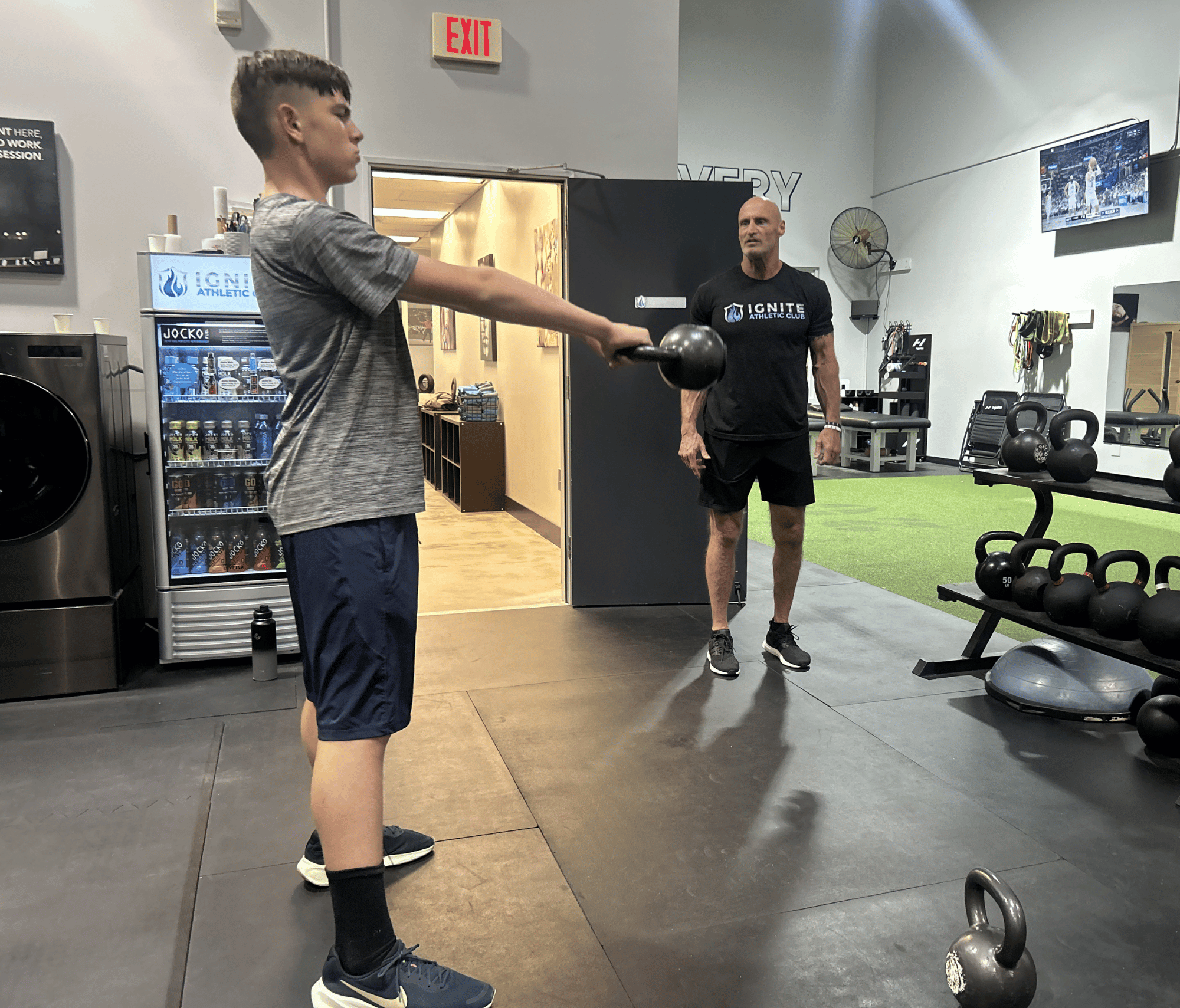
If you are worried about injuries to your child’s bones and joints, structured sports performance training is actually one of the safest environments they can be in.
Data consistently shows that youth weightlifting carries a much lower risk of injury than contact sports like football, soccer, and basketball. On the field, athletes face uncontrolled collisions, awkward landings, and unpredictable movements.
In contrast, our strength and conditioning facility in Mesa, Az provides a completely controlled environment. The ground doesn't move, nobody is tackling your child from their blind side, and every single movement is intentional.
Injuries in a gym only happen when two things are present: terrible form and zero supervision. When a teenager tries to ego-lift maximum weight to impress their friends without a coach's insight, that’s when things go wrong. But under the eyes of qualified coaches, it is highly protective.
How Lifting Actually Protects Young Athletes
We shouldn't just stop asking "Is it safe?" We should be asking "How much is my kid missing out on by not training?"
A properly programmed routine doesn't damage bones and joints. It actively bulletproofs them.
- Increases Bone Density: Just like muscles respond to weight by getting bigger, bones respond to mechanical stress by getting denser and stronger.
- Builds Joint Integrity: Fast-growing athletes often experience awkwardness because bones grow faster than muscles can adapt. Strength training stabilizes vulnerable joints (like the knees and shoulders).
- Prevents On-Field Injuries: The number one reason local athletes tear ACLs or sprain ankles isn't bad luck, it’s because they don’t know how to absorb force. Our specialized youth athletic development program teaches athletes how to decelerate, land safely, and handle the physical demands of their sport.
The Verdict: Mechanics First, Weight Second
Your child shouldn’t be walking into a gym and maxing out a back squat on day one.
At our strength and conditioning gym, youth training isn't about loading up the barbell until the athlete struggles. It’s about teaching proper movement mechanics. We start with bodyweight exercises, medicine balls, and core stability. Only when an athlete can move flawlessly do we systematically add weight.
Lifting weights won't keep your kid short. But ignoring the weight room will keep them slow, weak, and highly susceptible to the injuries that end seasons before they even start.

Claim Your Ignite Spark Pass
Ready to get your young athlete moving safely, building real power, and learning perfect form from certified professionals right here in our community? Don't let old myths hold their athletic potential back.
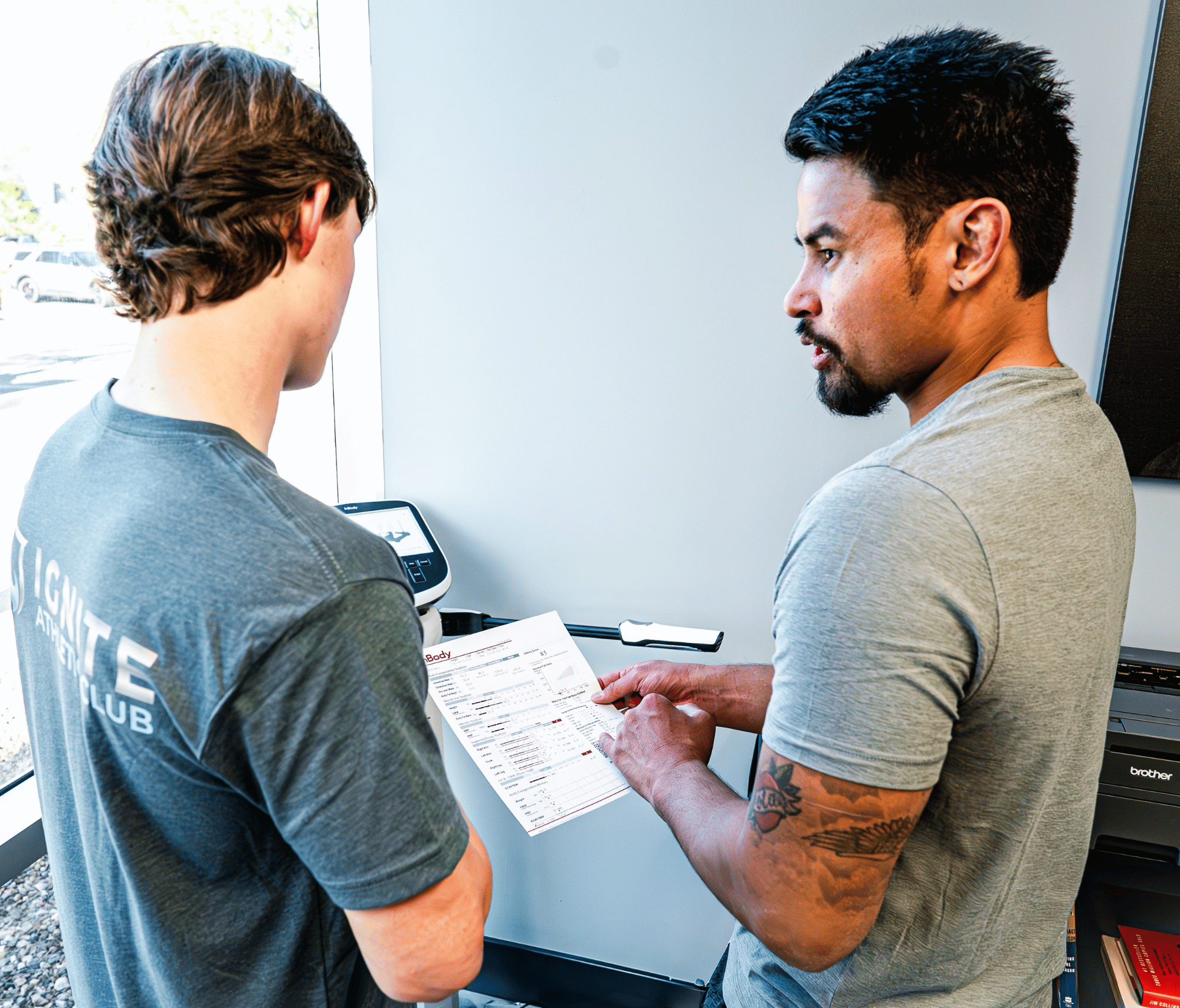
With our Ignite Spark Pass, your athlete gets a baseline assessment with our elite sports performance coaches, plus 4 classes to see firsthand how we build stronger, faster, and more resilient athletes the right way.
Click Here to Claim Your Ignite Spark Pass Today!