By clicking “Accept All Cookies”, you agree to the storing of cookies on your device to enhance site navigation, analyze site usage, and assist in our marketing efforts. View our Privacy Policy for more information.
Protein Myths That Are Sabotaging Your Athlete’s Performance and Recovery
Are protein myths holding your young athlete back? Discover the truth about daily intake, anabolic timing windows, and real food vs. supplements for high performance.
By
September 20, 2026
Related

Is Misinformation About Protein Holding Your Athlete Back?
Ask a group of parents or young athletes about nutrition, and you will hear a mountain of conflicting advice. Nowhere is this confusion more obvious than when talking about protein.
Some parents worry that protein powders will damage a young athlete’s kidneys, while others watch their kids chug three protein shakes a day while ignoring real food entirely. Meanwhile, athletes are stressed about rushing to drink a shake within 15 minutes of leaving the weight room, convinced that if they miss that brief window, their workout was entirely wasted.
Misinformation around protein isn't just confusing—it directly sabotages your child's ability to recover, build strength, and perform at a high level.
Let's bust the biggest protein myths holding youth athletes back and look at how to properly fuel high-intensity training.
Myth 1: The Body Can Only Absorb 20 Grams of Protein Per Meal
This is one of the most persistent myths in sports nutrition. People often claim that any protein consumed past 20 to 30 grams in a single sitting goes completely to waste or gets stored as fat.
The truth? Your digestive system is far smarter than that.
While there is a threshold for how much protein actively stimulates muscle protein synthesis (the trigger for muscle repair) at one time, your body doesn't just throw away the extra protein. It simply digests and absorbs it at a slower rate over several hours.
For growing, high-intensity youth athletes burning hundreds of calories in team practices and weight room sessions, forcing them to strictly limit meals to tiny amounts of protein makes hitting their daily intake needlessly difficult. Focus on getting a solid palm-sized portion of protein at every major meal rather than stressing over an arbitrary cap.
Myth 2: If You Miss the 30-Minute 'Anabolic Window,' Your Workout Was Wasted
We’ve all seen the athlete sprinting from the field to their bag to grab a shaker bottle before the clock runs out on the post-workout "anabolic window."
While post-workout nutrition is important, the idea that you have a magical 30-minute deadline before your muscle-building potential shuts down is completely false.
Modern sports science shows that the muscle-building window remains elevated for several hours following a hard training session. As long as your athlete consumes a balanced meal containing quality protein and carbohydrates within 1 to 2 hours after training, their body will have everything it needs to repair tissue and replenish energy stores.
Stop stressing over the immediate rush and focus on consistent meal timing throughout the day.
Myth 3: Protein Powders Are Essential for Gains (Or Protein Powders Are Dangerous)
When it comes to supplements vs. whole foods, parents usually fall into one of two extremes: assuming powders are mandatory for athletic success, or believing they are dangerous chemical cocktails.
The reality lies right in the middle: Whole foods should always come first, but quality supplements are simply convenient tools.
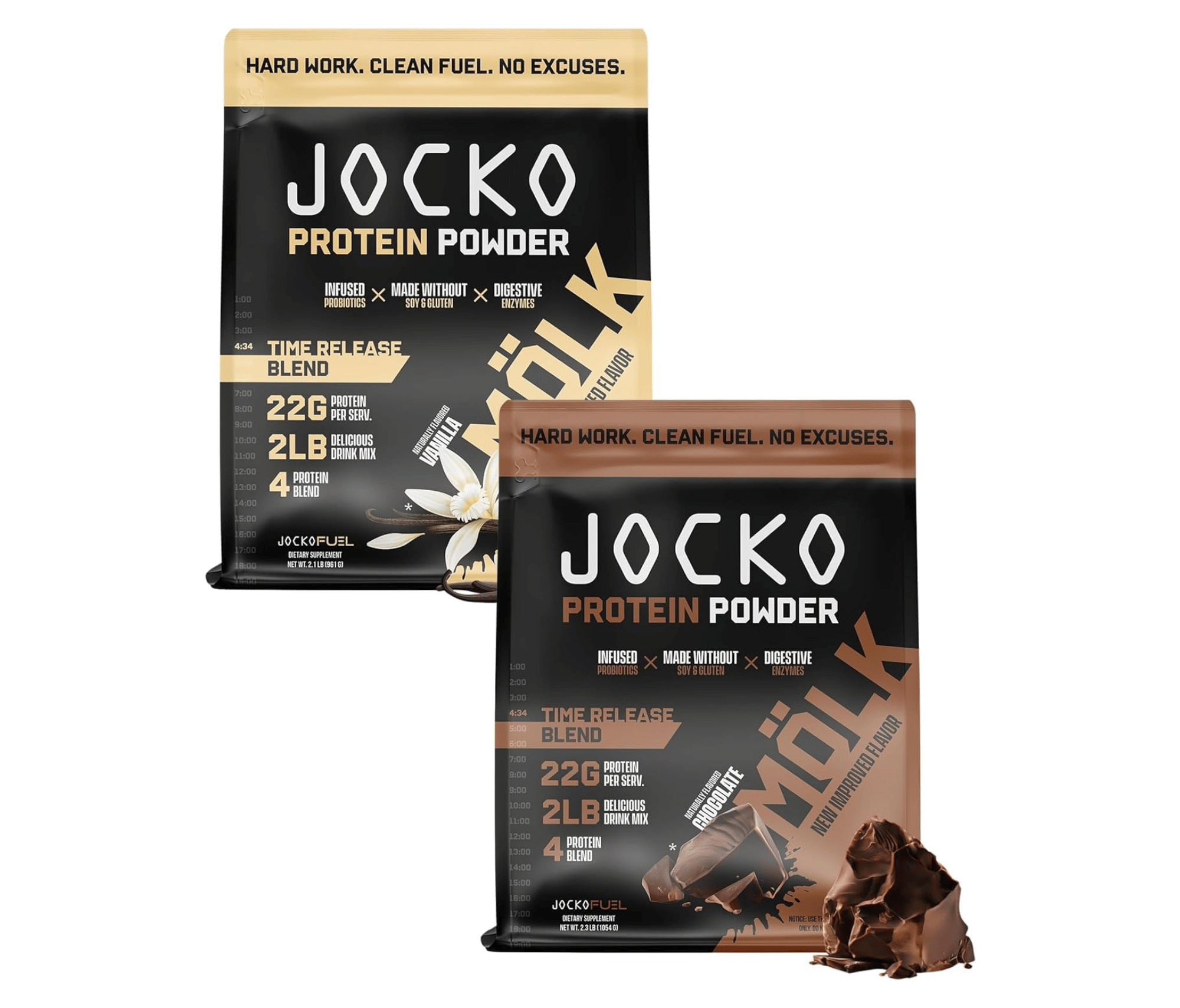
Protein powders (like quality whey or plant-based proteins) are not magic, nor are they inherently harmful to healthy youth athletes. They are simply isolated protein from food sources like milk or peas. However, a scoop of powder will never replace the dense micronutrients, vitamins, and minerals found in real whole foods.
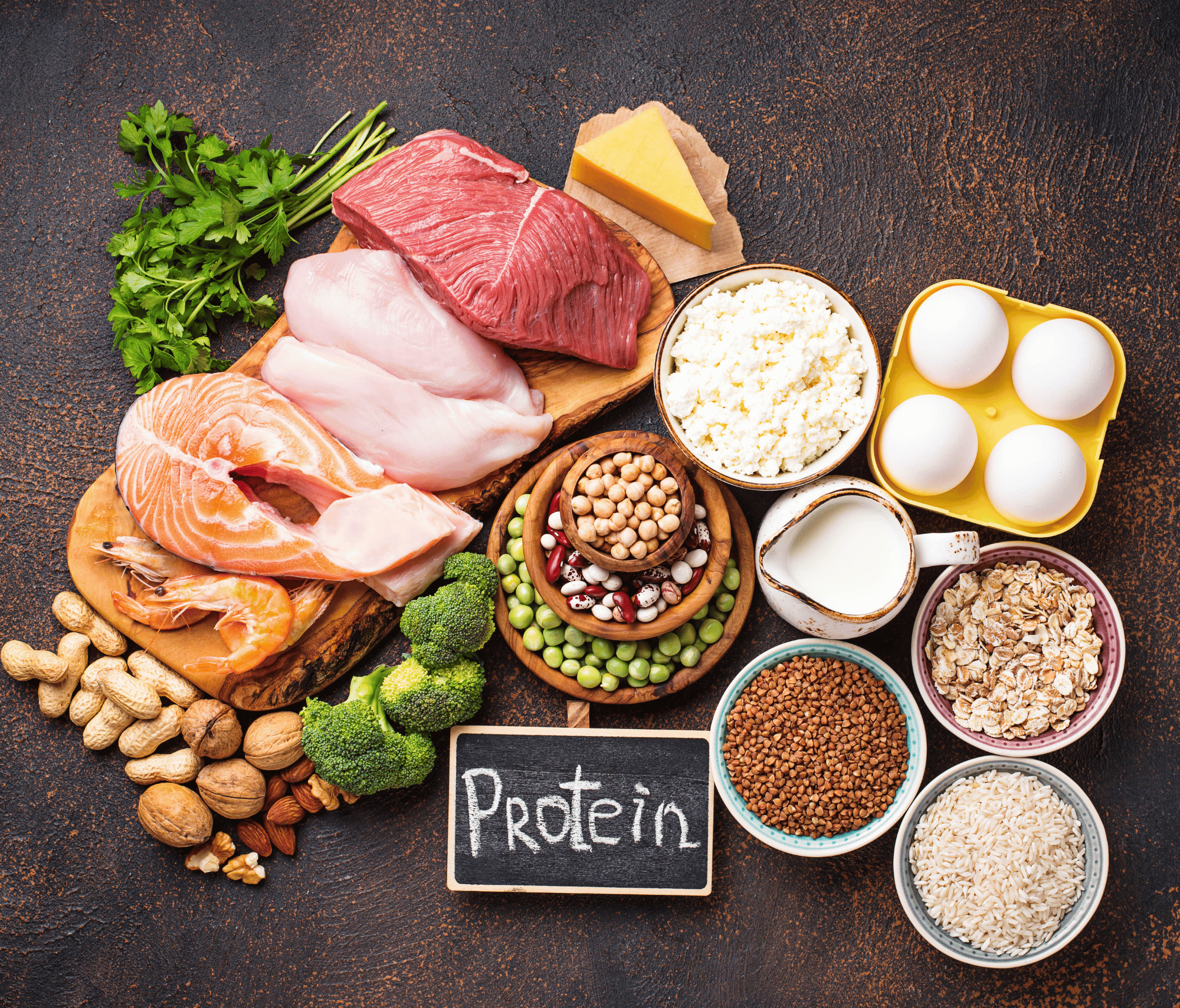
- Whole Foods First: Chicken, beef, fish, eggs, Greek yogurt, tofu, and cottage cheese should form the bulk of an athlete's diet. These foods provide essential vitamins (like B12, iron, and zinc) that powders lack.
- Supplements as a Safety Net: Protein powders are best used for convenience, like when an athlete has a 10-minute gap between school and practice, or during long weekend tournament days when sitting down for a chicken breast isn't realistic.
The Bottom Line: Prioritize Total Daily Intake
Instead of chasing fancy timing tricks or relying strictly on supplements, focus on the big picture: Total daily protein intake.
A hard-training youth athlete generally needs around 0.7 to 1.0 grams of protein per pound of body weight each day to support growth, tissue repair, and high-performance demands. Distributing that protein across 3 to 4 solid meals containing whole foods ensures a steady stream of amino acids to keep them recovering fast and performing strong.
Schedule Your Athlete's Baseline Assessment
Proper nutrition fuels performance, but science-backed physical training turns that fuel into elite speed, power, and athletic durability. Don't leave your athlete's development to trial and error.
By scheduling an Ignite Baseline Assessment, your athlete works one-on-one with our elite sports performance coaches to evaluate their movement patterns, identify power leaks, and map out a clear path for their development at our facility.
👉 Click Here to Schedule Your Athlete's Baseline Assessment Today!