By clicking “Accept All Cookies”, you agree to the storing of cookies on your device to enhance site navigation, analyze site usage, and assist in our marketing efforts. View our Privacy Policy for more information.
Why Crunches Are Making Your Teen Athlete Slower
Discover why traditional crunches are useless for sports. Learn how Ignite Athletic Club in Mesa builds rotational power and true core stability for local athletes.
By
August 12, 2026
Related

Beyond the Six-Pack: Building True Core Stability and Rotational Power for Sports
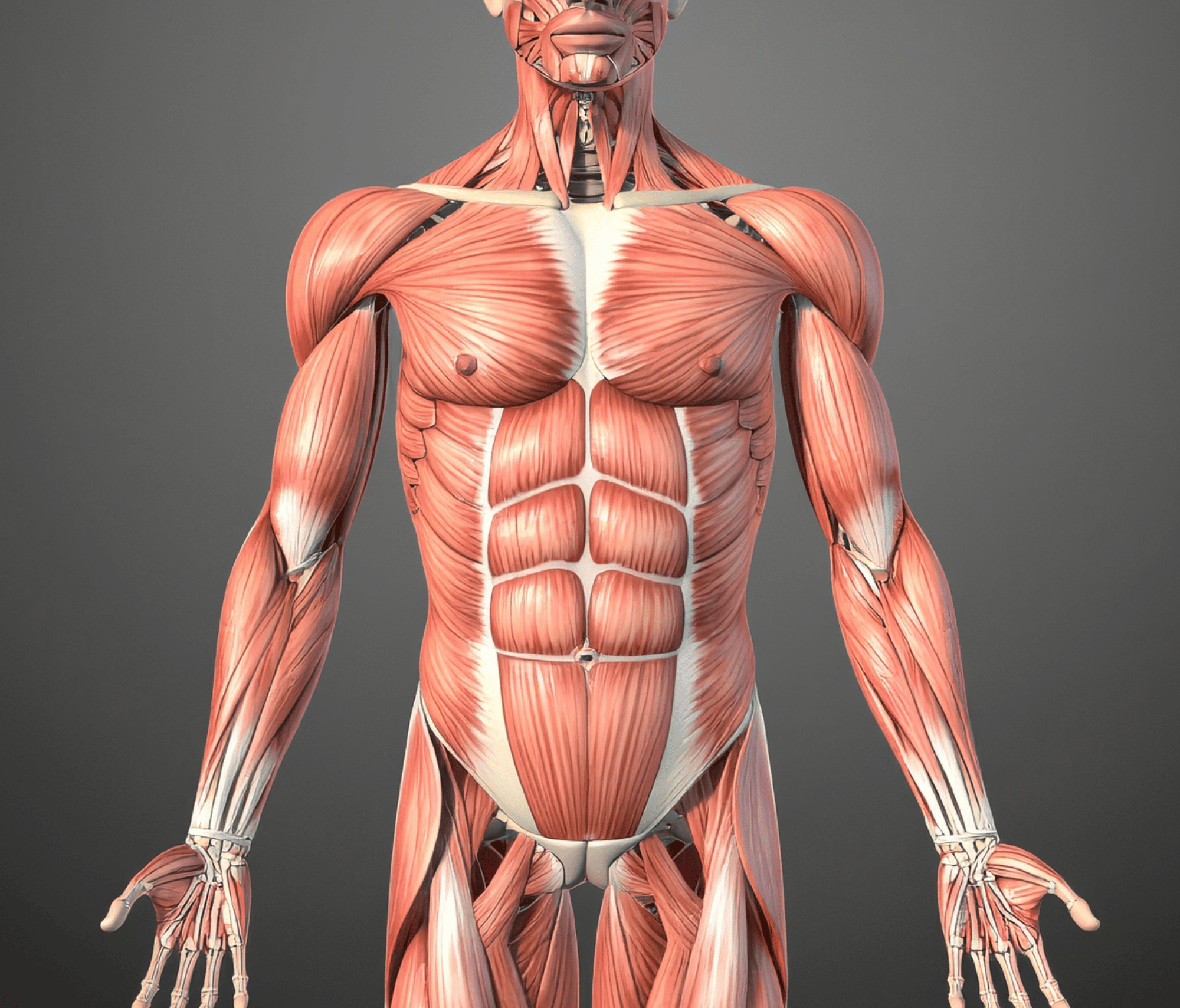
If you walk into most commercial gyms, you’ll see rows of people doing endless crunches and sit-ups in pursuit of a strong core. For a youth athlete, this is a massive waste of time. In sports, a visible six-pack does not equal athletic power. In fact, repetitive flexion exercises like crunches can actually tighten the hip flexors, degrade posture, and make an athlete less explosive on the field.
True core strength isn’t about aesthetic muscle definition; it’s about creating a rigid, stable trunk that can transfer massive forces from the ground, up through the hips, and directly into a throw, a sprint, or a change of direction.
The Anatomy of Transferable Athletic Power
Think of an athlete’s body as a whip. The power of a whip doesn’t come from the middle; it comes from the handle (the legs and hips) and travels to the tip (the hand, bat, or ball). The core's actual job is to act as the connector. If the connector is soft and unstable, energy leaks out of the system.
When a baseball player swings a bat, a quarterback throws a pass, or a track athlete transitions into a dead sprint, they rely on rotational power. This power is generated in the hips and glutes, transferred through a braced, stable trunk, and delivered to the upper body.
Traditional crunches teach the spine to bend constantly. But in sports, the core’s primary function is actually anti-rotation and anti-flexion (resisting unwanted movement) to keep the spine safe and transfer energy efficiently.
How We Build Athletic Core Strength at Ignite
At Ignite Athletic Club, we throw out the old-school ab routines and replace them with high-yield, functional trunk stability training. Our youth strength training programs focus on building a core that acts as a solid bridge, ensuring not a single watt of power is wasted.
Our coaching staff implements three key pillars of core development:
Trunk Stability & Resisting Motion: We teach athletes how to brace their spine under load. Using movements like heavy farmer’s carries, planks, and Pallof presses, we train the deep core muscles to resist bending and twisting when external forces try to throw them off balance.
Rotational Power Development: Once the foundation of stability is built, we teach athletes how to explosively rotate through the hips, not the lower back. Utilizing medicine ball throws, rotational slams, and cable chops, we mimic the exact rotational forces they encounter during a game.
Ground-Up Force Transfer: We tie core stability directly into our speed & agility training. If an athlete cannot stabilize their trunk when their foot strikes the ground at high speeds, they will lose velocity. A braced core keeps their posture upright, their hips aligned, and their movement incredibly efficient.
Real Strength vs. Gym Fluff
When your teen trains at our Mesa facility, we don't measure progress by how sore their abdominals are the next day. We measure it by how much further they throw, how much faster they break out of a lateral cut, and how resilient they are when taking contact on the field.
We train the body to function as one cohesive unit. By replacing useless crunches with rotational power and true trunk stability, we build athletes who don't just look strong; they play strong.
Is your athlete building actual power, or are they wasting energy on the sidelines?
Give your child the biological advantage of training like a professional. Let our elite coaching staff build the athletic foundation they need to dominate their next season.
Claim your Ignite Spark Pass today to secure one of our limited spots for a complete athletic assessment.